Entry · Ref MV29UCP3
Dental Implants for Patients Afraid of the Dentist
- Posted
- 2026-10-28
- Last amended
- 2026-10-28
- Account
- @charliemunc696
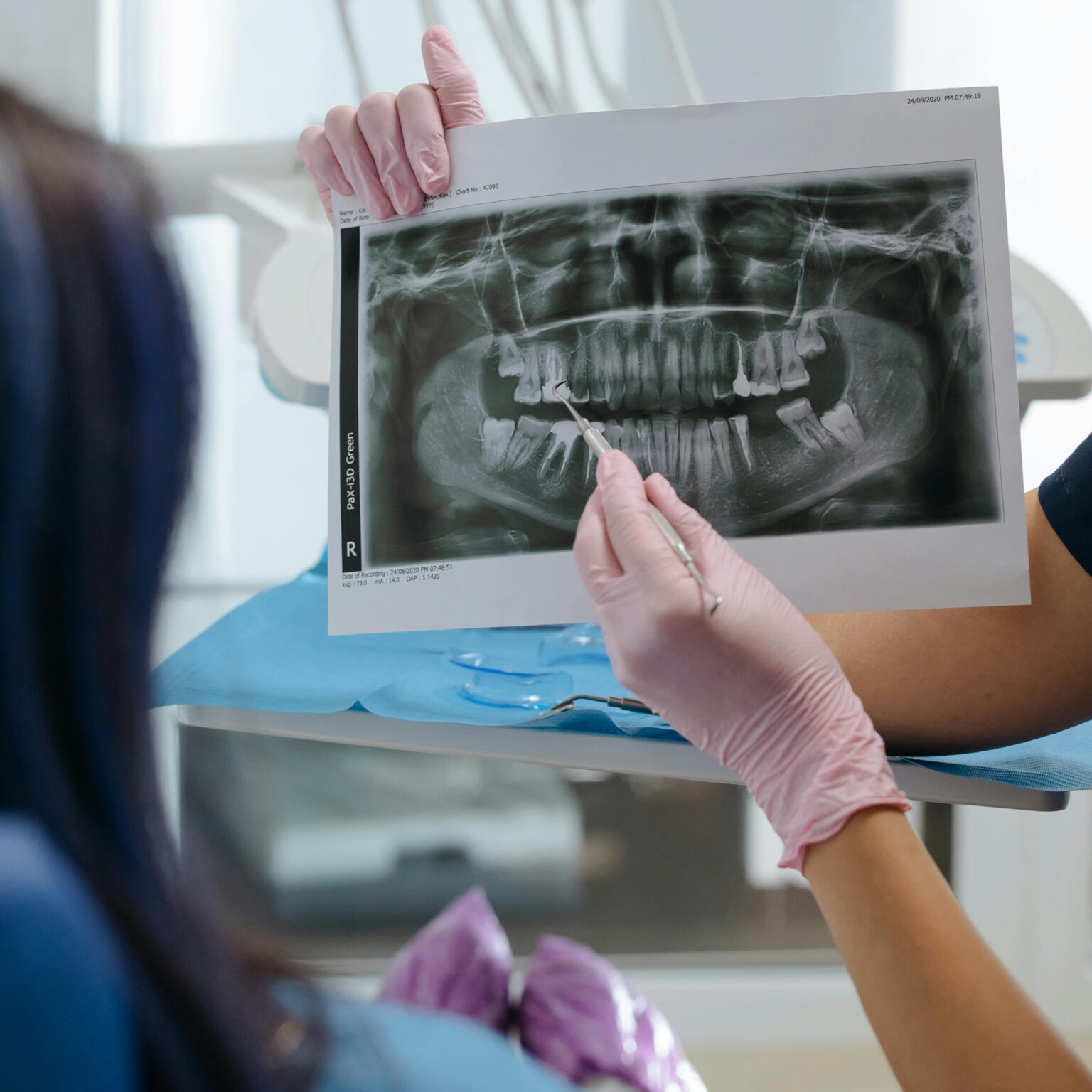
Fear changes everything about dental care. It changes how long people wait, what symptoms they ignore, and how they judge treatment decisions. A patient who is relaxed in the chair may compare options calmly and book an appointment before a minor problem becomes a major one. A patient with real dental anxiety often does the opposite. They postpone, cancel, brace themselves for bad news, then come in only when something hurts, breaks, or becomes impossible to hide.
That pattern matters when the conversation turns to Dental Implants. On paper, implants can sound intimidating. They involve surgery, healing time, and a series of appointments that may feel overwhelming to someone who already struggles with routine cleanings. Yet in practice, implants are often much more manageable than anxious patients imagine. For many people, the hardest part is not the procedure itself. It is walking through the door, sitting down, and trusting that this time the experience will be different.
The key is not to talk fearful patients into “just getting over it.” That rarely works. Good implant care for anxious patients starts with recognizing fear as a real clinical factor. It affects communication, pacing, anesthesia choices, scheduling, healing expectations, and the design of the treatment plan itself. When those pieces are handled well, patients who once avoided the dentist for years often complete implant treatment successfully, and with far less distress than they expected.
Why implants feel so intimidating
Most people do not fear implants because they understand every technical detail and have weighed the pros and cons with perfect objectivity. They fear what the word suggests. Surgery. Drilling. Needles. Pressure. The possibility of pain. The possibility of losing control while something unfamiliar happens in their mouth.
That fear often has a history behind it. Sometimes it comes from one genuinely rough experience, a procedure done before modern anesthetic techniques or before the patient felt able to speak up. Sometimes it has nothing to do with pain at all. Some patients are triggered by the sound of instruments, the feeling of lying back, the smell of a dental office, or the embarrassment of being told they “should have come in sooner.” Others have a strong gag reflex, trauma history, claustrophobia, or generalized anxiety that shows up most intensely in medical settings.
For these patients, the phrase “implant surgery” can feel larger than life. They imagine a long, grueling operation, when many single implant placements are surprisingly straightforward. In the right case, the actual appointment may be shorter and gentler than the tooth extraction that came before it. That does not mean every case is simple. A front tooth implant in a patient with thin bone and high cosmetic demands is different from a lower molar implant in a patient with abundant bone. Bone grafting can add complexity. Full-mouth implant treatment is a different category altogether. Still, fearful patients often assume the worst version of every scenario.
The first useful correction is this: Dental Implants are not one experience. They are a category of treatment. The process varies depending on how many teeth are missing, how much bone is available, whether infection is present, whether a tooth must be removed first, and what kind of restoration is planned. A single implant in a healthy patient may be one of the most tolerable procedures in dentistry. A more advanced case may require more preparation and a more deliberate pace. Knowing which kind of case you actually have changes the emotional temperature immediately.
The consultation matters more than anxious patients expect
For someone with dental fear, the consultation is not just a formality. It is where trust is either built or lost. A rushed, technical conversation can reinforce every bad expectation the patient brought into the room. A thoughtful consultation can lower fear before any treatment begins.
What helps most is clarity. Not sales language, not false reassurance, and not promises that “you won’t feel a thing” if the team cannot truly stand behind that. Patients do better when they hear plain explanations. What needs to happen first. What part is surgery. What part is healing. How long numbness usually lasts. How many visits are likely. What discomfort tends to feel like afterward. Whether they will need someone to drive them if sedation is Dental Implants used. How eating, speaking, and working may be affected for a day or two.
Anxious patients also benefit when the dentist separates what is probable from what is merely possible. Every surgical procedure carries risks. Most people can tolerate hearing that when it is explained responsibly. Fear usually spikes when every rare complication is delivered in the same tone as the expected routine. A skilled clinician can say, in effect, “Here is the normal course, here are the signs we watch, and here is how we handle problems if they arise.” That style of communication gives patients something solid to hold onto.
It also helps when the patient is invited to set practical boundaries. Some want every detail in advance because uncertainty is what frightens them. Others want a high-level explanation and prefer not to know the step-by-step mechanics. Neither approach is wrong. Asking that question alone can shift a patient from feeling trapped to feeling respected.
What the procedure usually feels like
One of the most common surprises after implant placement is how ordinary the physical experience turns out to be. That may sound strange, given how much dread the procedure can generate. Yet many patients report that the anticipation was worse than the surgery.
With local anesthetic alone, implant placement is typically felt as pressure and vibration rather than sharp pain. That distinction matters. Pressure can still be unsettling, especially for anxious patients, but it is very different from uncontrolled discomfort. If a patient does feel pain during the procedure, that should not be framed as something they simply need to endure. The team should pause, reassess anesthesia, and proceed only when the area is truly numb.
After the appointment, soreness is usually described more like post-extraction tenderness or bruised pressure than severe pain. Some patients use prescription medication for a short period, while others do fine with over-the-counter pain relief, depending on the complexity of the case and their medical history. Swelling can be mild to moderate. Many people return to desk work quickly, though the timeline depends on whether bone grafting, multiple implants, or extensive surgery was involved.
This is where experienced counseling helps. If patients expect agony, even normal postoperative soreness can feel alarming. If they are told honestly that they may have swelling, tenderness when chewing, and a few days of taking it easy, the same sensations often feel manageable because they fit the plan.
Sedation can change the entire equation
For some fearful patients, the decision is not really between implants and no implants. It is between implants with the right anxiety management and avoiding care altogether. Sedation often opens the door.
Not every patient needs it, and not every case requires more than local anesthetic, but it is one of the most important tools available. Nitrous oxide can be enough for mild to moderate anxiety. It wears off quickly and often helps patients feel calmer and less fixated on the sensations of treatment. Oral sedation can be useful for patients whose fear begins hours before the visit and builds steadily. IV sedation is a stronger option for those with severe dental phobia, extensive treatment needs, or a history of panic in the chair.
The right choice depends on the patient’s health, the complexity of the case, and the training and licensing of the treating office or surgical team. Sedation is not a shortcut around good communication and anesthesia. It works best as part of a bigger plan. Still, for the right patient, it can transform an impossible appointment into a realistic one.
One detail anxious patients appreciate is knowing what sedation will and will not do. Some forms make you relaxed but awake. Some make you drowsy with patchy memory of the visit. Some require fasting and an escort. Being told these differences ahead of time prevents the very common misunderstanding that “sedation” always means being fully unconscious.
Sometimes the implant is the easier part
There is a pattern that surprises people who have delayed care for years. The broken, infected, or failing tooth often causes more trouble than the implant treatment that replaces it. Chronic infection can create recurrent pain. A loose partial can rub and shift. A cracked tooth can dominate every meal. Front tooth loss can wear on confidence daily. Against that background, the implant process can feel less like an added burden and more like a controlled solution.
This is especially true when patients have struggled with removable dentures. A lower denture, in particular, can be maddening when it floats during speech or chewing. For some anxious patients, the fear of treatment competes with the frustration of living with unstable teeth. When they understand that implants may reduce movement, improve bite force, and make daily life less effortful, motivation becomes less abstract.
That does not mean implants are always the right answer. Bridges, partial dentures, full dentures, or even doing nothing for a period of time may be sensible in certain situations. Cost, medical conditions, smoking, untreated gum disease, and oral hygiene habits all affect candidacy. A responsible recommendation weighs those issues honestly. But fear alone should not disqualify someone from exploring implants.
The timeline, without the sugarcoating
Anxious patients often ask the most important practical question first: how long does all of this take? The honest answer is that it depends, sometimes substantially.
If a tooth is already missing and the bone is adequate, the process can move fairly efficiently. There is the planning phase, imaging, implant placement, a healing period while the implant integrates with bone, and then the final crown or denture connection. In many routine cases, the full timeline spans several months rather than several weeks.
If a tooth must be extracted first, or if infection has damaged the bone, the schedule can stretch. Some cases allow immediate implant placement at the time of extraction, but not all do. Bone grafting may be recommended to improve long-term stability or appearance. Full-arch treatment can involve temporary teeth, staged healing, and more intensive follow-up. None of this should be hidden from the patient. People with dental anxiety cope better when the road map is realistic from the beginning.
At the same time, a longer timeline does not mean months of constant procedures. Much of implant treatment is waiting for biology to do its work. That distinction matters. The patient is not in the chair every week undergoing surgery. There are active appointments and there are healing intervals, and most of the fear tends to center on the active appointments.
Choosing the right office matters almost as much as choosing the treatment
Patients who are afraid of the dentist often focus on the procedure and overlook the environment. Yet the office itself can determine whether the experience feels tolerable or unbearable. Technical skill is non-negotiable, but manner and systems matter too.
A practice that works well with anxious patients usually shows it in small ways. The staff does not sound impatient when someone asks the same question twice. The dentist explains before touching. The assistant watches for early signs of distress instead of waiting for a full panic response. Dental Implants Appointment times are realistic rather than stacked so tightly that everyone feels rushed. Postoperative instructions are clear and accessible, not tossed out in a blur as the chair goes upright.
Patients are wise to ask direct questions during the consultation. One of the simplest and most useful is whether the office treats many anxious patients, and how they handle that. The answer should be specific. Vague reassurance is not enough.
Here are a few questions worth asking at that first visit:
- What options do you offer for anxiety control or sedation?
- How many appointments are likely in my case?
- If I become overwhelmed during treatment, how do we pause or communicate?
- What level of discomfort is typical after this procedure?
- Will the same doctor who plans the treatment place the implant and restore it?
A patient who asks these questions is not being difficult. They are gathering the information needed to commit safely.
Fear and shame often travel together
Many people who avoid the dentist are not only afraid. They are embarrassed. They may apologize repeatedly for the state of their teeth, for missed cleanings, for smoking, for wearing an old flipper too long, or for waiting until a tooth snapped. Shame can make patients minimize symptoms and say yes to things they do not fully understand because they want the appointment over quickly.
This is where good clinicians earn trust. The most effective approach is matter-of-fact, not indulgent and not scolding. Teeth fail for many reasons. People go through difficult years. Finances tighten. Caregiving consumes time. Depression flattens motivation. One traumatic appointment can lead to a decade of avoidance before the patient fully realizes what happened. None of that changes the clinical facts, but it should change the tone of the conversation.
Patients who feel judged rarely become better dental patients. They become absent dental patients. By contrast, a person who feels respected is more likely to return for follow-up, maintain hygiene, and speak up early if something feels wrong.
What can make implants a poor fit, at least for now
It is important to acknowledge the situations where implants may need to wait or where another option may be more prudent. Severe untreated gum disease, uncontrolled diabetes, heavy smoking, certain medications, and poor oral hygiene can all affect healing and long-term success. Bruxism can place heavy forces on implants and restorations. Insufficient bone does not always rule implants out, but it can change the plan and the cost.
For anxious patients, there is another practical factor: the ability to maintain care after placement. Implants do not decay like natural teeth, but they are not maintenance-free. The surrounding tissues can become inflamed. Peri-implant disease is a real issue, especially when plaque control is inconsistent and professional maintenance is skipped. A patient who wants an implant because it sounds like a permanent, zero-effort fix may be disappointed.
That does not mean anxious patients are poor candidates by default. It means the treatment must match not only the mouth, but the patient’s current capacity. Sometimes the most responsible sequence is to stabilize urgent problems first, rebuild trust with a few positive appointments, and then revisit implants once the patient feels less threatened by care.
Small accommodations can make a big difference
Fear is rarely reduced by one grand gesture. More often, it shrinks because several practical things are handled well. Morning appointments help patients avoid a full day of anticipatory stress. Noise-canceling headphones help some people more than sedatives do. A stop signal, agreed on in advance, can restore a sense of control. Topical anesthetic before injections may ease the moment many patients dread most. Shorter visits can work better than marathon sessions, even if the total number of appointments increases slightly.
For patients who want structure, a simple pre-appointment routine can help:
- Eat and take medications exactly as instructed for the type of anesthesia or sedation planned.
- Avoid reading worst-case stories online the night before.
- Arrange transportation and postoperative help in advance if sedation is involved.
- Tell the office about past bad experiences before treatment starts.
- Plan soft foods and a lighter schedule for the first day or two after surgery.
None of these steps erase fear, but they reduce avoidable strain. That matters.
The emotional payoff is often larger than patients expect
When an implant case goes well, the benefit is not only chewing function or preserving bone contours or avoiding a removable appliance. Those are meaningful gains, but anxious patients often talk first about something else: relief. Relief that the dreaded thing was not as terrible as expected. Relief that the missing tooth is no longer a daily reminder. Relief that they finally addressed a problem they had been carrying around in the background for years.
I have seen patients who spent months worrying about the consultation alone, then leave the surgical appointment saying some version of, “If I had known it would be like that, I would have done it sooner.” That reaction is common enough to be worth noting, though it should never be used to pressure someone. Every patient’s threshold is different. Some will need extensive support to get through treatment. Others will find that once they have one good experience, the old fear loosens its grip.
There is also a confidence piece that matters. Missing teeth can change the way people smile, speak, and socialize. They learn to angle their face in photos, laugh with a hand near the mouth, or avoid certain foods in public. Replacing a tooth with a well-planned implant restoration can quietly restore habits people had almost forgotten. That shift is not vanity. It is part of normal daily function and self-presentation.
A calm, realistic way to think about the decision
If you are afraid of the dentist and considering Dental Implants, the most useful mindset is neither bravado nor avoidance. It is informed caution. You do not need to pretend this feels easy. You do not need to agree to a treatment plan on the spot. And you do not need to assume that fear means you are a poor candidate.
What you do need is a team that takes the fear seriously, explains the case clearly, and offers a treatment path that matches both your oral condition and your tolerance for care. For some patients, that means simple implant placement with local anesthesia and good communication. For others, it means sedation, staged treatment, or a slower build toward surgery after years of avoidance.
The best implant outcomes are not created by technical skill alone. They are created when sound dentistry meets the reality of the person in the chair. For patients who are afraid of the dentist, that distinction is everything.
Oaks Dental
5000 Parkway Calabasas Suite 308
Calabasas, CA 91302, United States
+1 818-431-2000
FAQ About Dental Implants
What is the downside of a dental implant?
Implants require surgery and a healing period that can last several months. Possible complications include infection, nerve or sinus injury, damage to nearby teeth and failure to bond with bone. Your dentist should assess your health, bone support and alternatives before recommending treatment.
What do dental implants typically cost?
There is no single price for every implant case. The number of teeth replaced, implant components, final restoration and any grafting or extractions affect the total. Request a written estimate covering every stage and confirm insurance benefits and out-of-pocket costs with the practice.
How long do tooth implants last?
An implant can provide long-term support and may last a lifetime with good oral hygiene and regular dental care, but this is not guaranteed. The crown or other restoration may need replacement sooner. Smoking, gum disease and some health conditions can reduce implant success.