Entry · Ref S72TSEKL
The Healing Timeline After Dental Implant Surgery
- Posted
- 2026-10-28
- Last amended
- 2026-10-28
- Account
- @charliemunc696
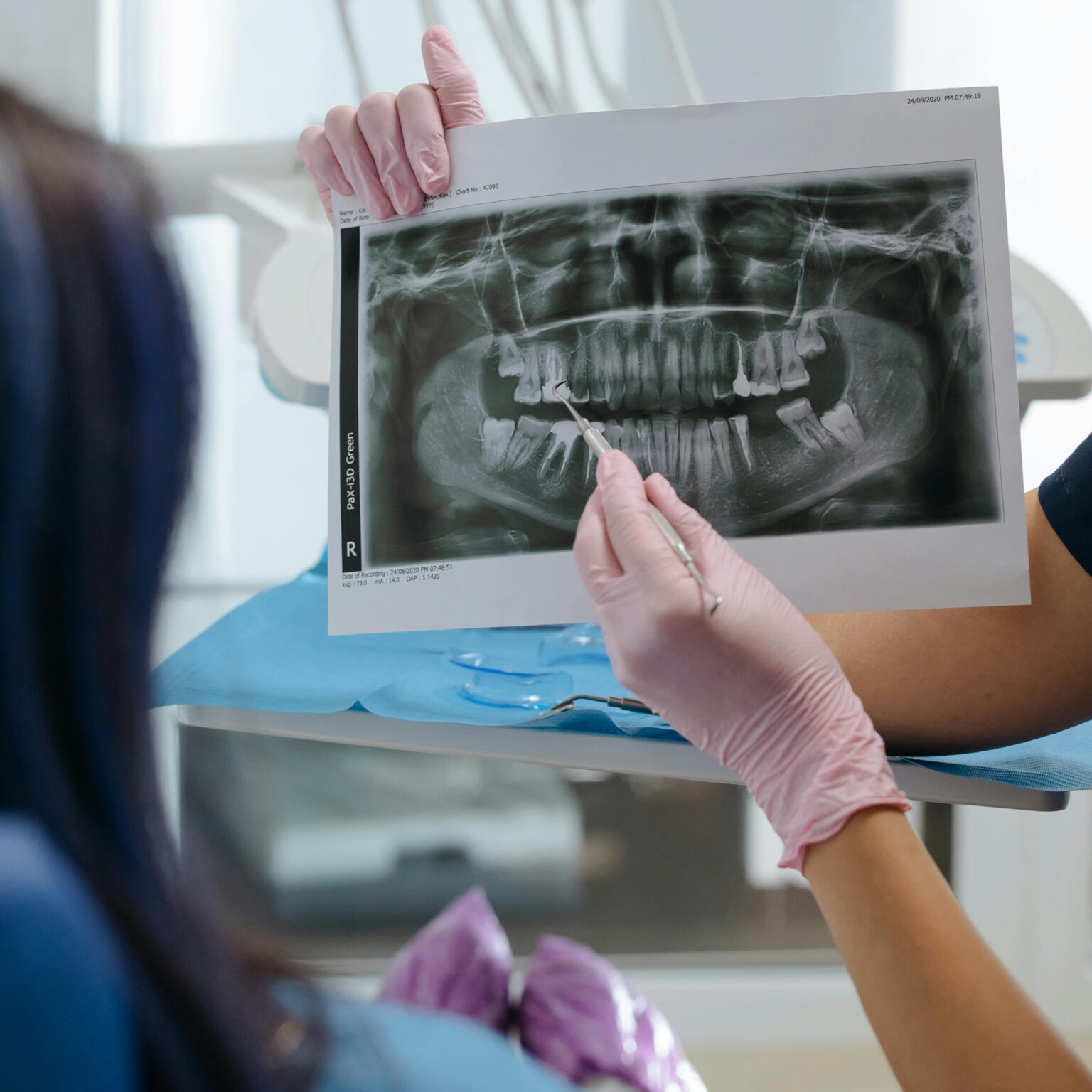
Dental implant surgery is often described in a sentence or two, as if the work ends once the implant is placed. In practice, the real story is the healing period that follows. That is when the body accepts the implant, the gum tissue settles, the bite is refined, and the patient learns whether the result feels like a natural tooth or a constant reminder of treatment.
People are often surprised by how uneven recovery can feel. The first few days are usually the most dramatic because swelling, tenderness, and diet changes are front and center. Then there is a quieter middle phase when things look fine from the outside, but the bone is doing the slow, important work of integrating with the implant surface. Later still, there may be another round of appointments for impressions, healing abutments, or the final crown. A smooth case can still take months from surgery to completion.
That longer timeline does not mean something is wrong. It usually means the biology is being respected. Bone heals at its own pace. Soft tissue matures gradually. Even a beautifully placed implant needs time before it can handle chewing forces with confidence.
What happens immediately after surgery
The first 24 to 72 hours tend to set the emotional tone for recovery. If patients know what is normal, they are less likely to worry over every small ache or puffiness. If they are unprepared, even a standard amount of swelling can feel alarming.
Right after surgery, the area is numb, and many people feel better than they expected. The more noticeable symptoms often arrive later that day, once the anesthetic wears off. A dull throbbing sensation is common. So is pressure in the jaw, especially if the implant site was tight or if bone grafting was done at the same time. Minor oozing from the gums can occur for several hours. It usually looks worse than it is because a small amount of blood spreads dramatically in saliva.
Swelling often peaks around day two or three. Bruising can also appear, sometimes drifting lower along the cheek or jawline. That can be unsettling, but it is not unusual. In straightforward cases involving a single implant and no graft, discomfort may be modest and short-lived. In more complex cases, such as full-arch work, sinus lifts, or multiple implant placements, the first few days can be much more demanding.
This is also the stage when routine habits have to change. Crunchy foods, vigorous rinsing, smoking, strenuous exercise, and probing the area with a finger or tongue can all interfere with early healing. The surgical site is fresh, and while implants are fixed into bone, the surrounding tissues are still vulnerable.
The first week, controlling inflammation and protecting the site
By the end of the first week, most patients are noticeably better. That does not always mean comfortable enough to forget about the surgery, but the sharpest edge of recovery has usually passed.
The gum tissue starts to seal over, and the risk of disrupting the clot or irritating the incision remains relevant. If sutures were placed, the area may feel tight or slightly itchy as healing progresses. Some patients describe a strange sensation of fullness rather than pain. That description is often accurate. The body is managing fluid shifts, inflammation, and tissue repair all at once.
Diet matters more than many people expect. The problem is not only pain with chewing. Hard or brittle foods can stress the site mechanically, and tiny fragments can lodge in the area. Patients who do best during this phase are usually the ones who treat the site gently, even when they start feeling normal again. A person may think, "It barely hurts, so I can go back to my usual lunch," then discover that one crusty sandwich or handful of nuts leaves the area irritated for the rest of the day.
Oral hygiene takes a little judgment. Cleanliness is essential, but aggressive brushing around a fresh implant can do more harm than good. A soft brush, careful rinsing if advised, and following the surgeon's specific instructions are more useful than trying to "scrub away" healing tissue. When temporary restorations are involved, cleaning instructions become even more specific because those appliances can trap plaque or put pressure on the gums.
Weeks two through six, when healing becomes less visible
This stretch is where expectations often drift from reality. Externally, things may seem almost back to normal. The patient can often eat a broader diet, speak comfortably, and return to usual routines. Internally, however, the implant is still in a critical stage.
The process dentists refer to as osseointegration is not something a patient can feel directly. It is the biologic bonding of living bone to the implant surface. That bond is what gives Dental Implants their long-term stability. It does not happen overnight, and it is one reason experienced clinicians are cautious about loading implants too early unless the case supports it.
During these weeks, small day-to-day changes are common. Mild tenderness when pressing on the area may still occur. The gums may look pinker and firmer as they mature. If a healing abutment is visible above the gumline, the soft tissue around it may change shape as it forms a collar that will eventually support the crown. Those changes are usually subtle, but they matter aesthetically and functionally.
This is also when patients can become overconfident. They are no longer swollen, they may have stopped pain medication, and normal chewing feels tempting. If the implant has been placed in an area with softer bone, such as parts of the upper jaw, patience is especially important. A site that feels fine can still be vulnerable to micro-movement, and too much movement during healing can threaten integration.
A common example is the patient who resumes chewing on the implant side because the opposite side feels tired. Nothing dramatic happens at first. Then the area becomes sore for a few days, not because the implant has failed, but because the surrounding soft tissue was irritated. Most of the time, the advice is simple: back off, return to a softer diet, and let the site settle.
Why the timeline can vary so much
No honest discussion of implant recovery can pretend there is one universal timetable. A healthy nonsmoker receiving a single implant into dense lower jaw bone may heal on a very different schedule than someone who needs extractions, grafting, and a sinus procedure.
Several factors influence the pace:
- the quality and density of the bone
- whether a bone graft or sinus lift was needed
- the location of the implant, front teeth and back teeth behave differently
- general health factors such as diabetes control, smoking status, and certain medications
- whether the implant was immediately restored or left undisturbed under the gum
The lower jaw often heals more predictably because the bone tends to be denser. The upper jaw, particularly the back region, can require more caution. If a tooth was missing for a long time before treatment, bone volume may be reduced, which can complicate the case or lengthen healing. If an implant was placed immediately after extraction, that can be efficient and effective, but it also demands careful case selection and good follow-through.
Age by itself is usually less important than people think. I have seen older adults heal beautifully when their health is stable and their home care is excellent. I have also seen younger patients struggle because they smoke heavily, grind their teeth, or ignore postoperative instructions.
The role of bone grafting in recovery
When bone grafting is part of the plan, the timeline often becomes less intuitive. Patients sometimes hear "graft" and assume it is a side note. Often it is not. A graft can be the difference between placing an implant in a favorable position and compromising the final result.
A small graft around the implant at the time of placement may add only modest complexity. A larger ridge augmentation or sinus lift can change the healing experience considerably. Swelling may be greater. Nasal pressure or congestion can occur after upper jaw grafting. The timeline before final restoration may extend by several months, depending on how much new bone needs to mature.
The important point is that a longer path is not necessarily a worse one. It may be the more durable one. Rushing into a restoration when the foundation is not ready can create trouble later, from gum recession to aesthetic mismatch to implant overload.
The transition to the restorative phase
Once the implant has integrated well enough, attention shifts from healing to rebuilding the visible tooth. That transition can feel anticlimactic because the surgery is over, but it is where comfort, appearance, and bite quality are refined.
Sometimes the implant already has a healing abutment emerging through the gum. In other cases, the implant was buried under the tissue and needs a second minor procedure to uncover it. Patients often worry that this means starting over. Usually it does not. The uncovering step is typically much easier than the original surgery, with lighter discomfort and shorter downtime.
After that, impressions or digital scans are taken to fabricate the crown, bridge, or denture connection. The gums need to be shaped properly, especially in the front of the mouth where symmetry and emergence profile matter. A technically integrated implant can still produce a disappointing result if the surrounding tissue contour is neglected.
This phase also explains why "I got the implant yesterday, so where is my tooth?" Is not a realistic expectation in many cases. Sometimes a temporary tooth can be provided early. Sometimes it should not. The decision depends on stability, location, bite forces, and cosmetic demands.
What patients usually feel at each stage
Patients often want a calendar, not just a biologic explanation. While every case is different, the typical pattern is fairly recognizable.
During the first three days, expect the most swelling, the most dietary restriction, and the greatest need for rest. From day four through the end of the first week, many people still feel tenderness and fatigue in the area, but the trend should be toward improvement. Over the next month or two, the site usually becomes easier to ignore. There may still be moments of awareness when chewing or brushing, but constant discomfort is not the norm.
By the time the final crown is delivered, the goal is for the implant to disappear into daily life. Patients should not be thinking about it with every meal. That said, the final restoration can come with a short adaptation period. Even a well-made crown may feel slightly foreign for a few days because the brain is comparing it to the old tooth, the missing space, or a temporary.
One of the most satisfying comments a clinician hears is, "It feels like it has always been there." That does happen, but it usually follows careful planning and a patient who respected the healing window.
Warning signs that deserve prompt attention
Most implant recoveries are uneventful, but there are situations that should not be brushed off as "probably normal." Early communication can prevent a manageable issue from becoming a larger problem.
- bleeding that remains heavy or increases instead of tapering off
- swelling, pain, or foul taste that worsens significantly after the first few days
- fever or signs of spreading infection
- a loose healing component, temporary tooth, or sensation that the implant itself is moving
- numbness that does not gradually improve, especially in the lower jaw
A note of nuance matters here. Not every ache means infection, and not every click means implant failure. Temporary restorations and healing caps can loosen while the implant underneath remains stable. Still, new or worsening symptoms deserve a professional look rather than guesswork.
Pain, pressure, and the question everyone asks
People often ask one thing more bluntly than anything else: how much is this going to hurt?
The honest answer is that implant surgery is usually more manageable than patients fear, but not always as easy as marketing makes it sound. A simple single implant may produce less discomfort than a difficult extraction. A full-arch implant surgery can be a serious recovery that calls for planning, support, and time off work.
Pain also has different personalities during healing. Early pain tends to be inflammatory and localized. Later discomfort may be more about pressure from a temporary, rubbing from a denture, or muscle tension from altered chewing. Distinguishing among those patterns matters. Sharp, escalating pain is more concerning than a mild awareness that slowly fades.
Patients who have had both root canal treatment and implant surgery often compare them. Some say the implant recovery was easier, others say it was tougher for the first few days but more straightforward after that. Those comparisons are deeply case-dependent, which is why sweeping promises are not very helpful.
Daily habits that support smoother healing
The best recoveries are often built on ordinary discipline. Fancy products rarely matter as much as consistency. A patient who follows instructions closely, keeps the mouth clean, avoids smoking, and protects the site from pressure usually gives the implant the best chance to succeed.
A few habits make an outsized difference. Resting with the head elevated can reduce throbbing and swelling in the first nights. Choosing soft, nourishing foods prevents the double problem of site trauma and poor calorie intake. Hydration matters, especially if the patient is eating less than usual. Smoking cessation, even temporary, can improve blood flow and reduce risk during a phase when tissue health is critical.
Night grinding is another issue that oaksdentistry.com Dental Implants deserves respect. A patient can have excellent surgery and still place too much force on the area later. If bruxism is known or suspected, protective planning is not optional. It is part of long-term success.
When the implant is integrated but the mouth is still adjusting
Healing does not always end the day the surgeon declares the implant stable. Sometimes the implant is biologically successful while the patient still needs time to adapt to the bite, the contour of the crown, or the cleaning routine around it.
Food may catch differently at first. Floss can feel unfamiliar around the contact. Speech may briefly change if front teeth are involved. None of this means the treatment is failing. It means a new prosthetic part has been added to a living system that notices detail.
This is one reason follow-up appointments matter. Minor bite adjustments can transform comfort. A crown that is a fraction too high may make the patient guard the area unconsciously. Tissue that looks only slightly puffy may benefit from a hygiene tweak before it becomes chronic inflammation. Good implant care is not passive after placement. It is a partnership between surgical execution, restorative precision, and patient behavior.
The long view
One of the strengths of Dental Implants is that they can be remarkably stable over many years. But long-term success is not won only in the operating room. It begins there and is reinforced during healing.
The timeline after implant surgery asks for patience because the body is building something durable. The first week is about controlling inflammation and protecting the wound. The next several weeks are about unseen integration. The later restorative phase is about function, tissue shape, and fit. Every part counts.
Patients sometimes want the shortest path. Clinicians want the safest predictable path. When those two goals align, treatment tends to go well. When speed starts to outrun biology, problems follow. Respecting the healing timeline is less glamorous than the before-and-after photograph, but it is what gives the photograph a chance to age well.
A successful implant should eventually feel unremarkable in the best possible way. You chew without thinking. You smile without checking the mirror. You clean around it as part of your routine. That quiet normalcy is the endpoint most patients are really after, and it is built one healing phase at a time.
Oaks Dental
5000 Parkway Calabasas Suite 308
Calabasas, CA 91302, United States
+1 818-431-2000
FAQ About Dental Implants
What is the downside of a dental implant?
Implants require surgery and a healing period that can last several months. Possible complications include infection, nerve or sinus injury, damage to nearby teeth and failure to bond with bone. Your dentist should assess your health, bone support and alternatives before recommending treatment.
What do dental implants typically cost?
There is no single price for every implant case. The number of teeth replaced, implant components, final restoration and any grafting or extractions affect the total. Request a written estimate covering every stage and confirm insurance benefits and out-of-pocket costs with the practice.
How long do tooth implants last?
An implant can provide long-term support and may last a lifetime with good oral hygiene and regular dental care, but this is not guaranteed. The crown or other restoration may need replacement sooner. Smoking, gum disease and some health conditions can reduce implant success.